
Souls in orbit
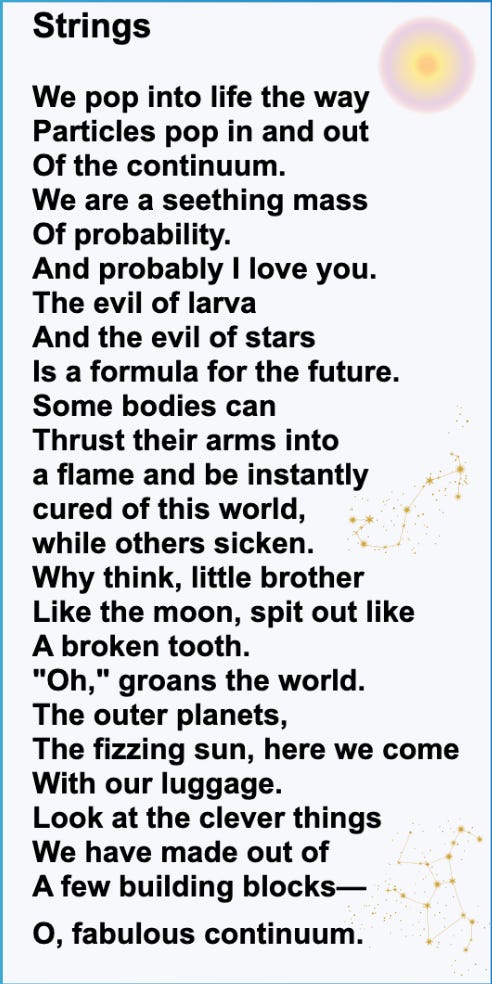
We are a seething mass of probability. And probably I love you

To be known
When was the last time you felt grateful to be who you are? As in distinctly you. Like, wow, I am so happy I am [your name] right now.
This is Danica’s favorite question, and as one of Danica’s best friends, I have been around a few times when she asks people this.
I feel most grateful to be SOPHIA when I am with my friends who know me through and through. My friends are exceptionally perceptive and thoughtful people, and they constantly make me feel not only known, but also so grateful to be me.
My friends often text me a photo of some colorful piece of clothing, claiming, “It was literally made for me.” Chris called me one time from the Duke gardens because the weather was nice and he knew I’d like to know. Tyler saw an old lady try to high-five one of these blow-up things and texted me:

Kylie and Jules have both made playlists of songs that remind them of me. C’MON.
I am so lucky to have friends who make me feel this way. It’s also been a shock to go from feeling so deeply known by most of the people around me to so unknown by most everyone around me.
I was thinking about that quote, “I am not what I think I am, I am not what you think I am, I am what I think you think I am” — Charles Cooley.
It’s easy to feel like I know myself well when there are people around me consistently telling me things that are distinctly me.
Now, since I know 3ish people in this whole state, I kind of feel like I am not being perceived at all. It’s refreshing, weird, fleeting, and rare. As that quote suggests, if identity is so closely tied to perception, what is my identity when nobody is really perceiving me??
I don’t read philosophy, and I’ve never studied it, so this could be entirely wrong (although, is there a WRONG XX in philosophy??), but… if identity is our temporary and mutable idea of ourselves, then I think of our souls as more permanent and impervious to anyone else’s perception. It’s cool that my soul is the same, regardless of how or if I am perceived.
Liz and I talk A LOT about our souls. She told me a few years ago how she thinks of all of our souls as sort of orbiting our physical bodies and all of our ‘soulmates’ as in the same orbit.
Liz and I are soul friends, and we’d be best friends in every lifetime.



I know I compared the soul orbitals to the planets, but because I know chemistry a lot better than astronomy, I think of this in terms of electron energy levels.
Quantum chemistry
An atom is the smallest unit of an element that retains the chemical properties of that element. Atoms are the building blocks of matter. They combine to form molecules. Molecules combine to form macromolecules and compounds. These combine to form cells (the basic unit of LIFE) and materials, which combine to form living organisms and physical substances.

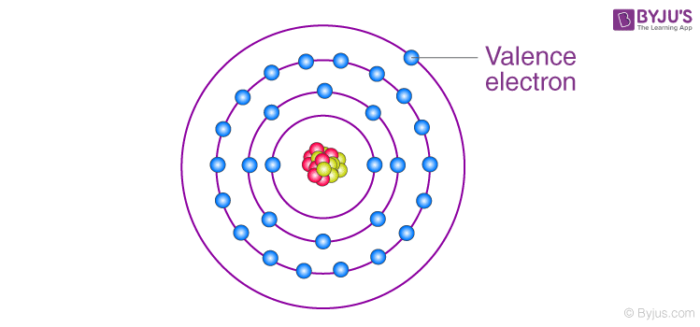
The Bohr model (above) is slightly misleading because it represents electrons as orbiting the nucleus following these electron shells, much like the solar system.
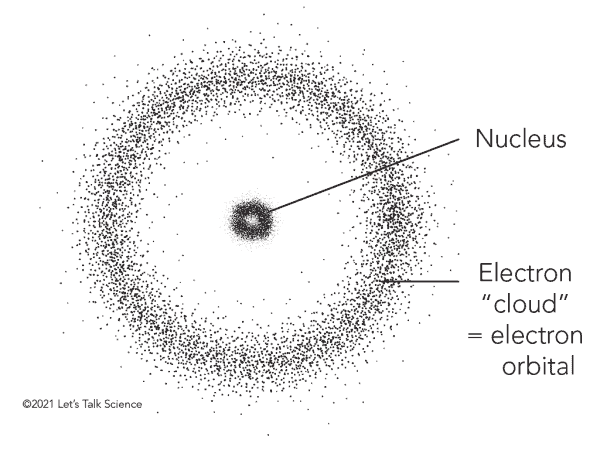
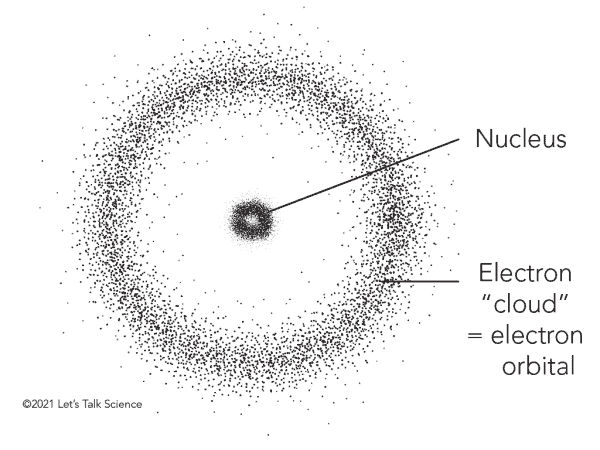
Electrons actually move differently. Rather than following fixed paths, they have regions of space (orbitals) where they are likely to be found. We can’t know an electron’s exact position and momentum at the same time, so electrons are represented as existing in probability clouds. (Heisenberg’s Uncertainty Principle)
In my earlier post on radical chemistry, I explained that atoms react with each other and form bonds to satisfy their energy requirements. Knowing how electrons are configured in space allows us to understand these energy requirements and, therefore, predict how atoms might behave.
In chemistry, you may have learned about electron energy levels when you learned about molecules. Maybe you also talked about this in some physics classes.
There are many electron orbitals based on energy levels, and each energy level can hold a certain number of electrons. Atoms are the most stable in their lowest energy state (called the ground state) when all of the atom’s electrons are in the lowest available energy orbital. The ground state is an atom’s least reactive configuration with any given number of electrons.
Once the lowest energy orbital is holding its max capacity of electrons, additional electrons will occupy the next lowest energy orbital. The highest energy orbital that is occupied, meaning electrons are in it, is called the valence shell. The electrons in the valence shell, valence electrons, are super DUPER IMPORTANT. It cannot be overstated.
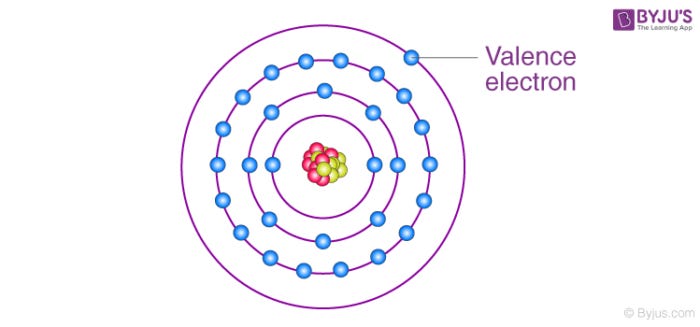
Valence electrons dictate how an atom reacts with other atoms, or its bonding ability. You know how atoms react with each other to satisfy their energy needs? The ‘energy needs’ refer to an atom’s desire to have a complete valence shell—a valence shell that is holding its max capacity of electrons. We can see how this plays out when we look at one of the most beloved molecules, water:
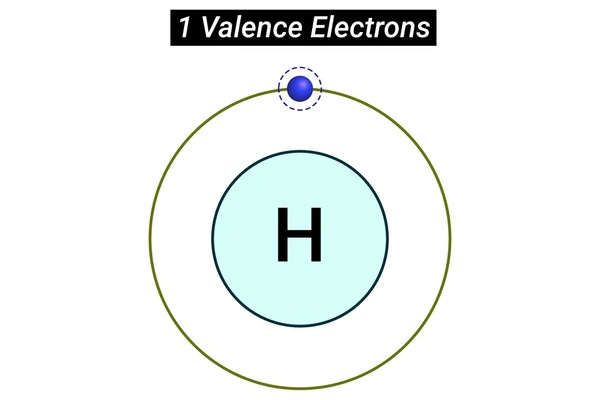
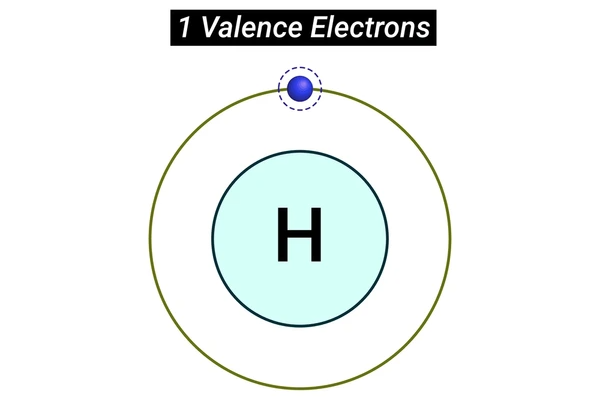
Hydrogen has one valence electron in an energy orbital that has a capacity for two electrons. So, hydrogen needs to make one bond to fill its valence shell.
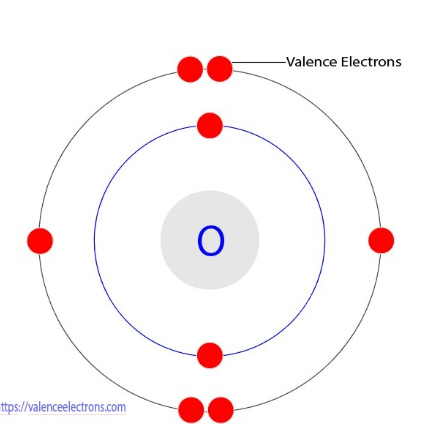
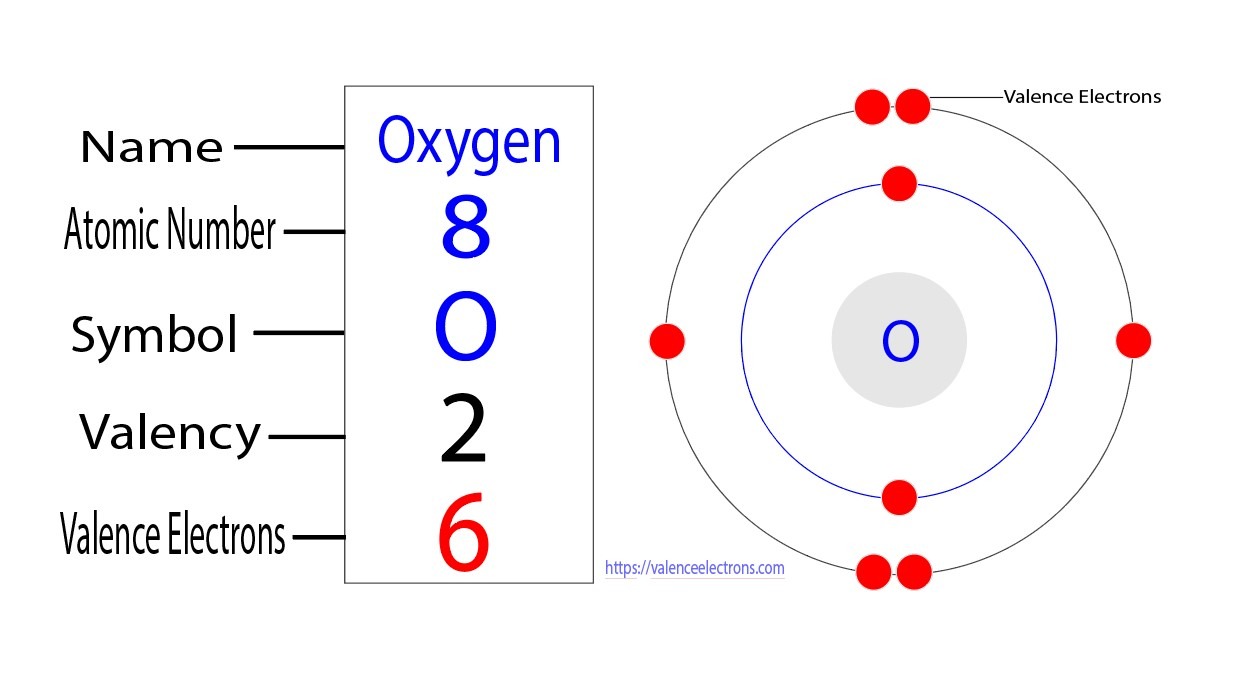
Oxygen has six valence electrons in an energy orbital that has a capacity for eight electrons. So, oxygen needs to make two bonds to fill its valence shell.

One oxygen atom bonds with two hydrogen atoms and voilà! All atoms have full valence shells, AND we have water!!!
Beyond reactivity, valence electrons dictate many of the other properties of an atom. They are so important that the PERIODIC TABLE is organized based on them!!
I hope that was kewl… this is beautiful:
Amazing